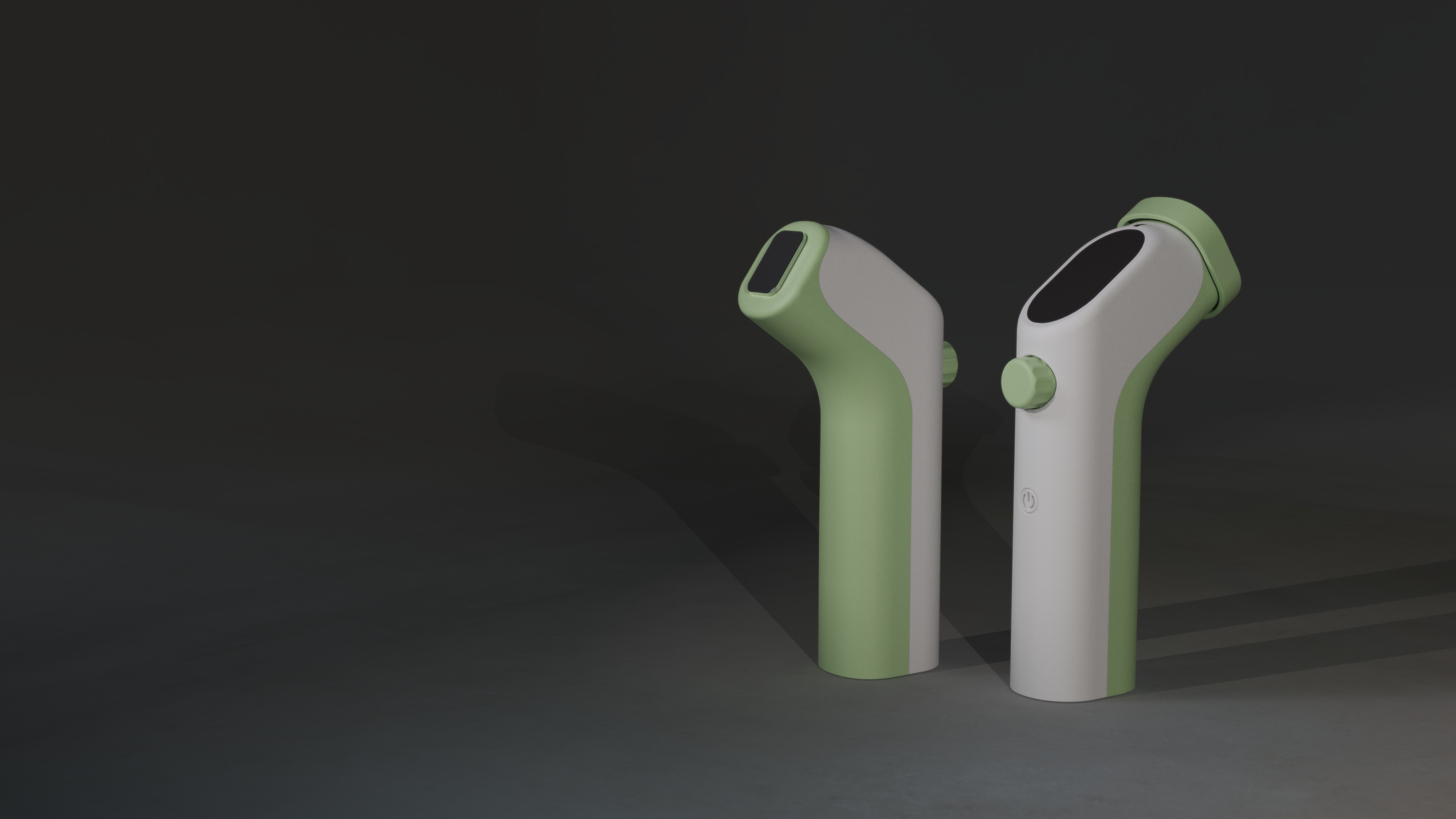
Resonaid
A bone conduction hearing screening tool for non-specialist hands.
A bone conduction hearing screening tool for non-specialist hands.
People who would go for a regular health check-up would get their temperature taken or blood drawn, but not get a tuning fork test done.
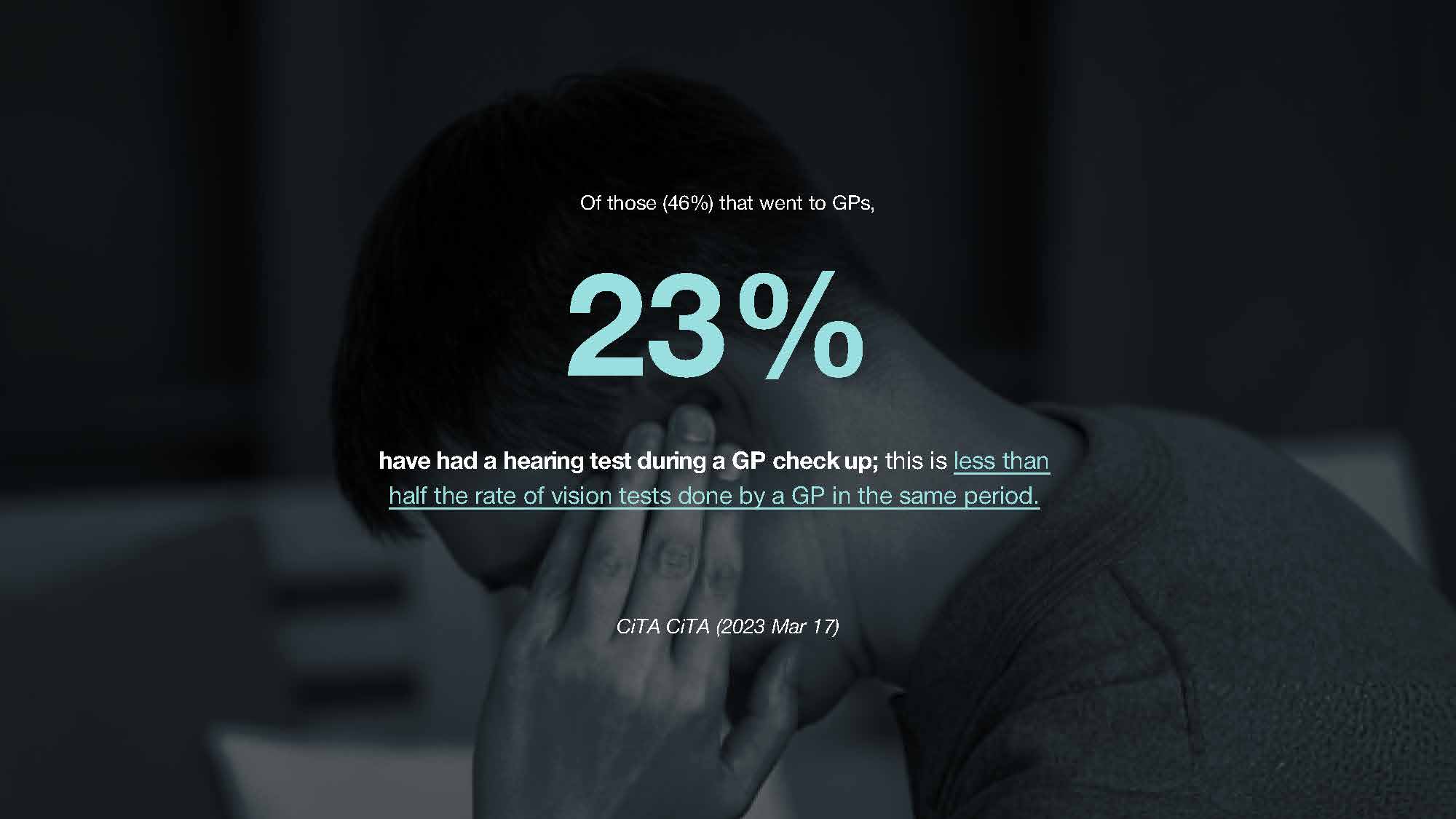
It is cheap, it is portable, and in skilled hands it works well enough to flag serious hearing problems worth investigating further.
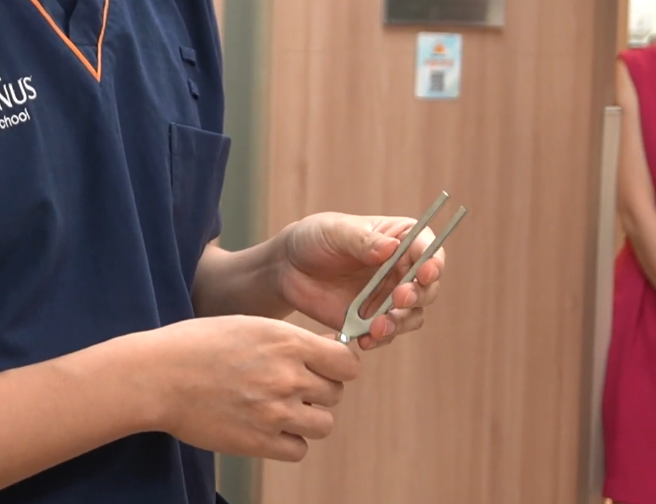
"After speaking with more than 20 doctors, a pattern emerged. General practitioners tend to skip this test. Our early assumption was that the tuning fork itself was to blame."
Working with an Ear Nose Throat doctor introduced us to a world of information and insight, shaping how we should approach this issue. We consulted with her over the course of 13 weeks, and the consults shaped what the project came to be. While the low hanging fruit would be to design a new type of tuning fork, the solution did not feel so straight forward.
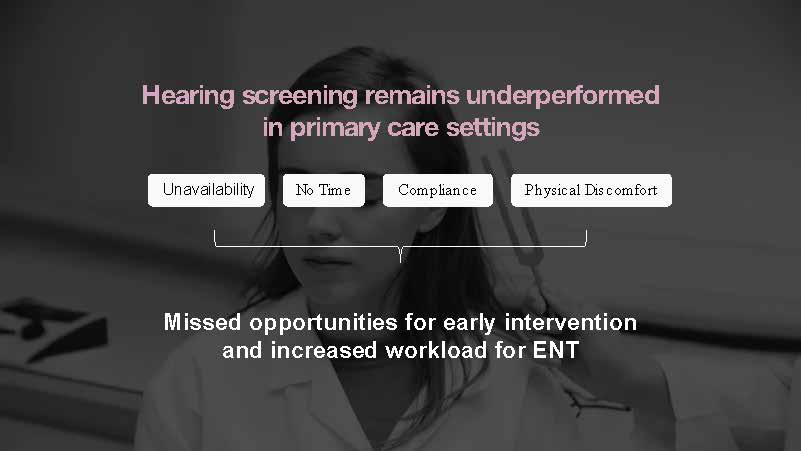
Our research pointed to compliance as the real issue. A better tool means nothing if a GP skips the test anyway. So the goal shifted. To bypass any compliance issues, we needed more screenings and therefore a lower barrier to entry.
Better accuracy in expert hands is not the goal.
Making screening possible in hands that have no training at all is what changes the picture.
Accessible hearing testing increases adoption.
This would triage serious cases earlier, especially in underserved communities.
The idea of the tool kept shifting. We were no longer designing something for a doctor with years of medical school behind them. We were designing something that could reproduce the right tuning fork frequencies in the hands of someone with little to no experience running a hearing test. That gap drove a long run of prototypes and several rounds of testing with people from across the medical field.
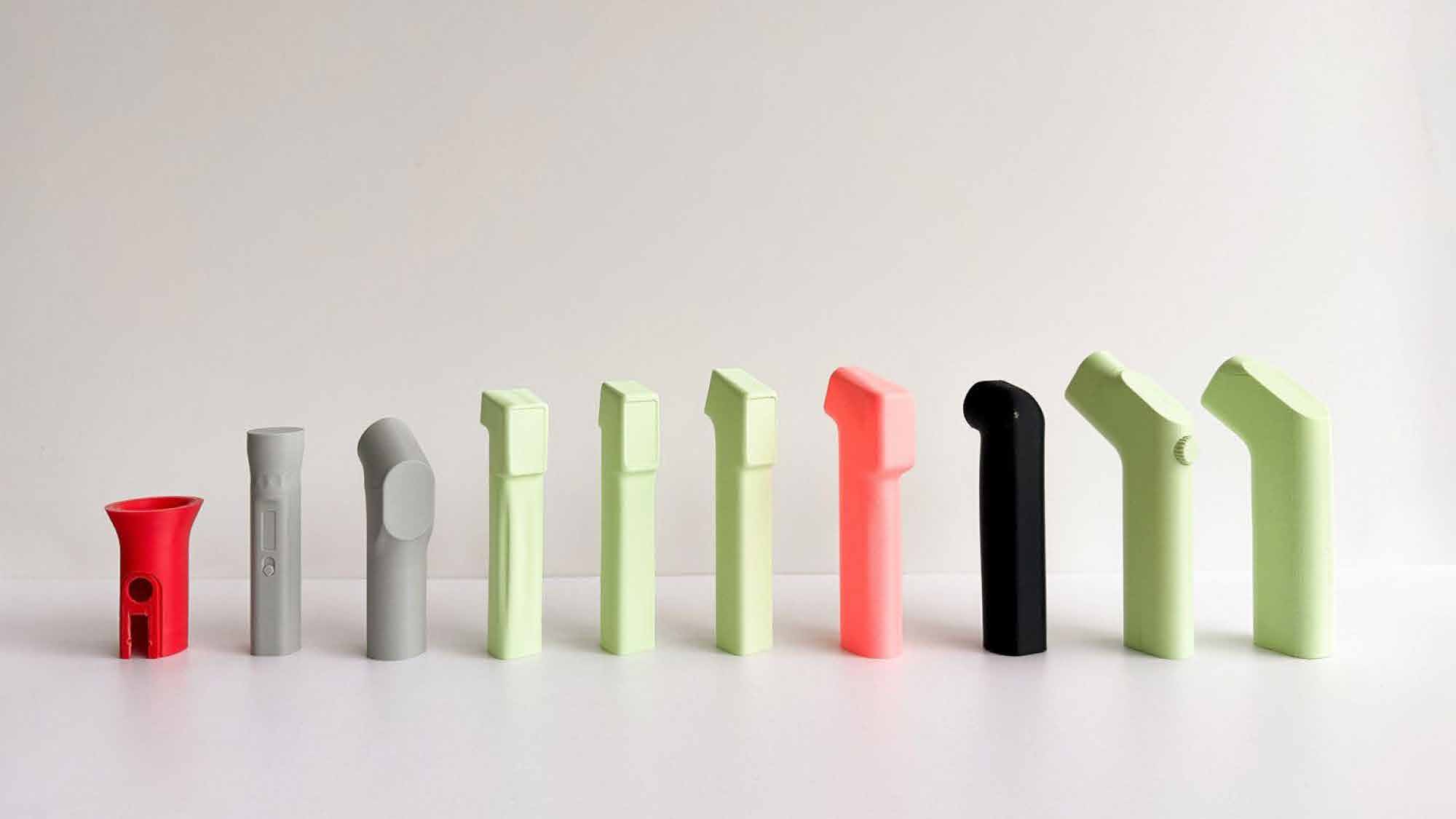
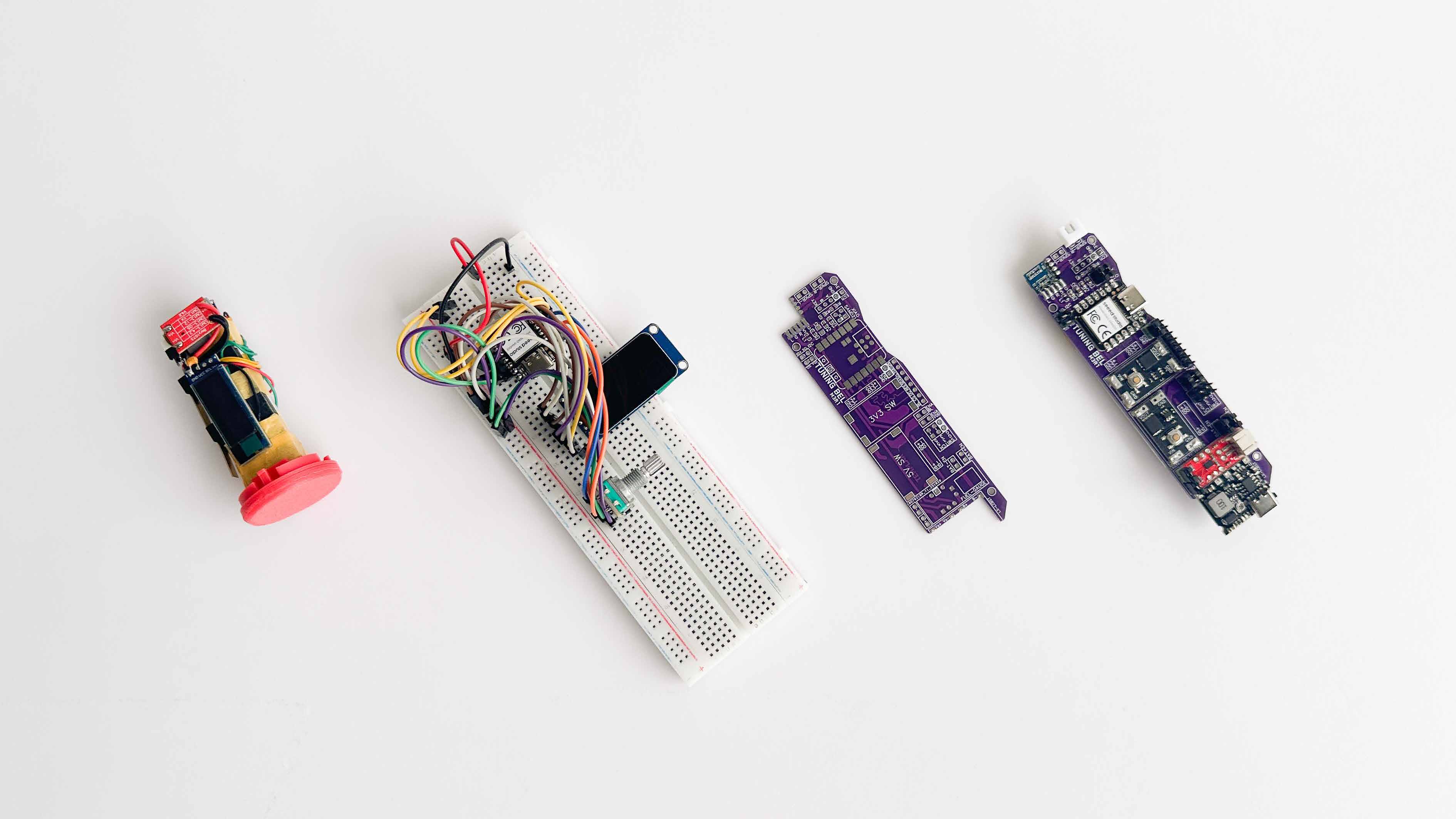
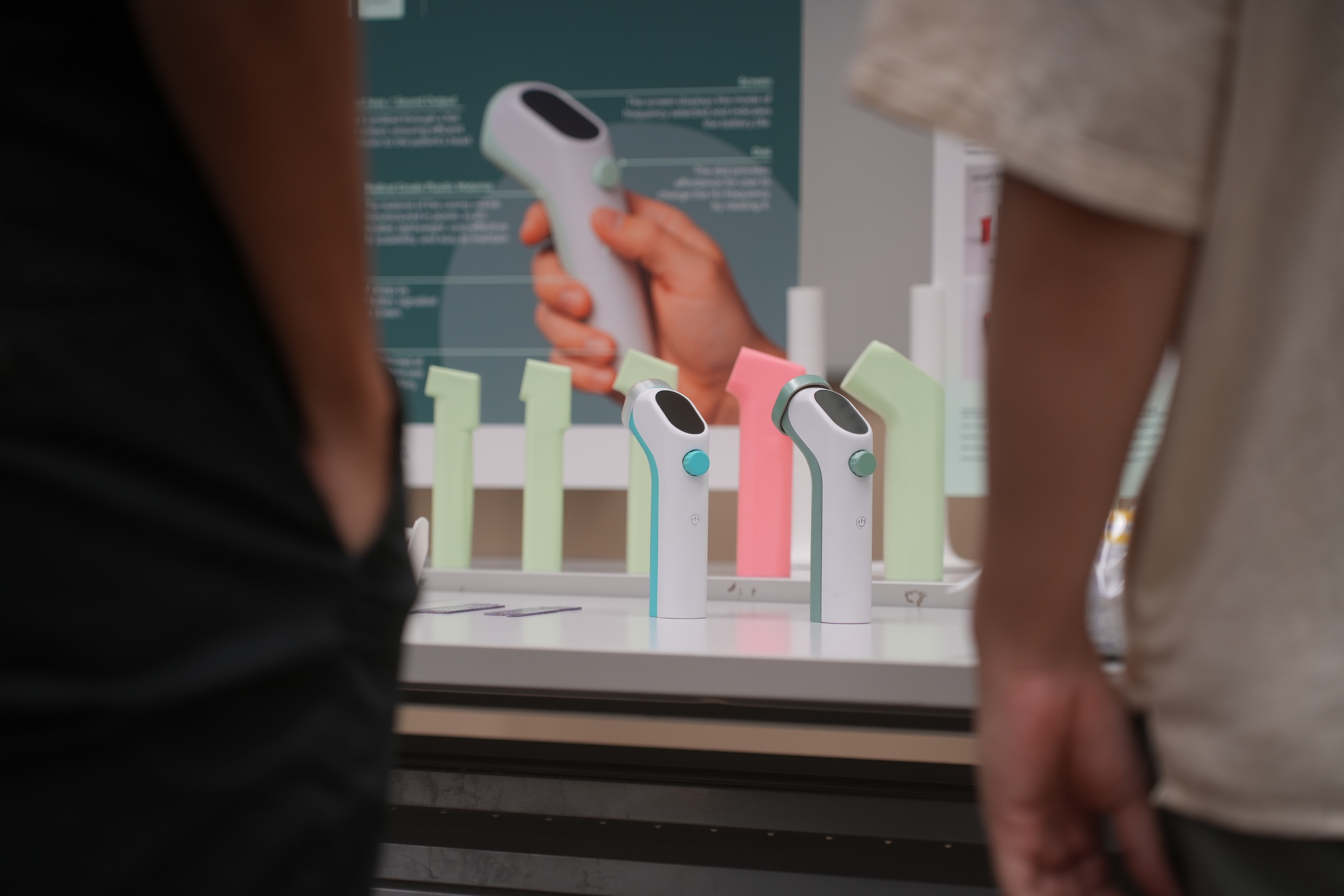
Resonaid is a digital bone conduction hearing screening tool designed for non-specialist use. The interface walks the user through the sequence, and the result is displayed without requiring interpretation.
Every step that used to depend on clinical judgement has been replaced or removed. The frequency is set by the device, not by how hard the user strikes something. The output is read off the screen, not from the patient's verbal response alone. The test becomes the same consistent test, regardless of who is holding it.
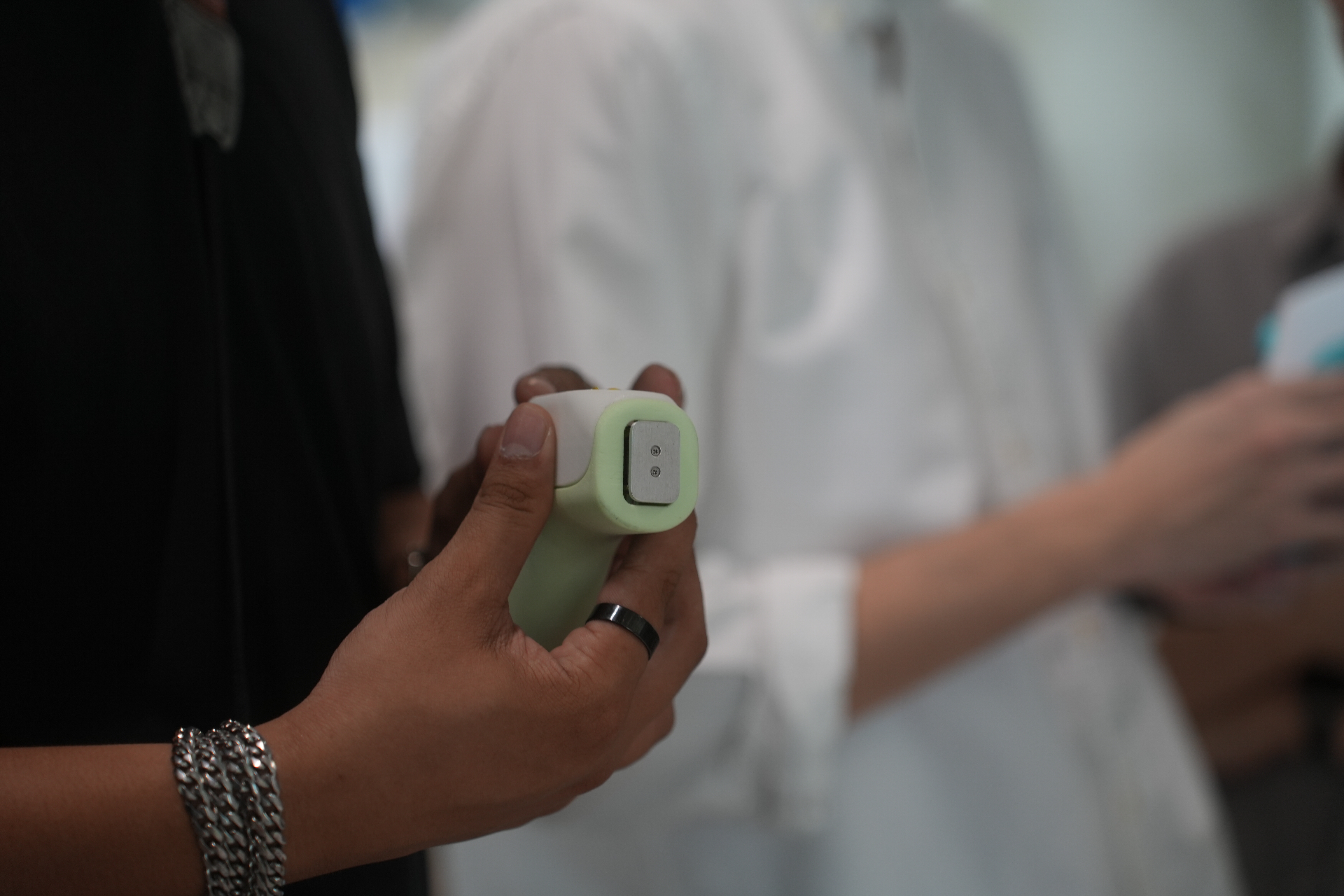
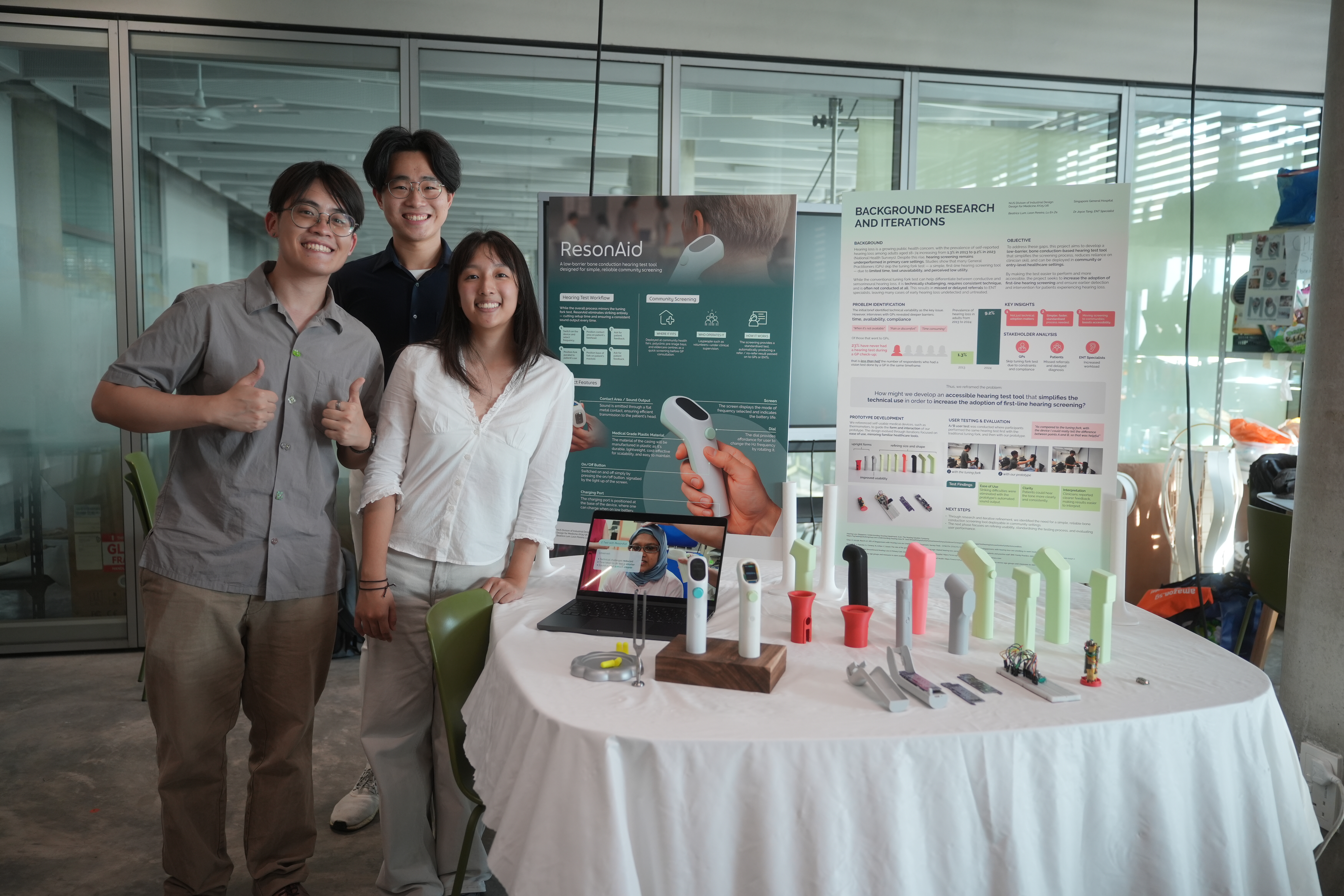
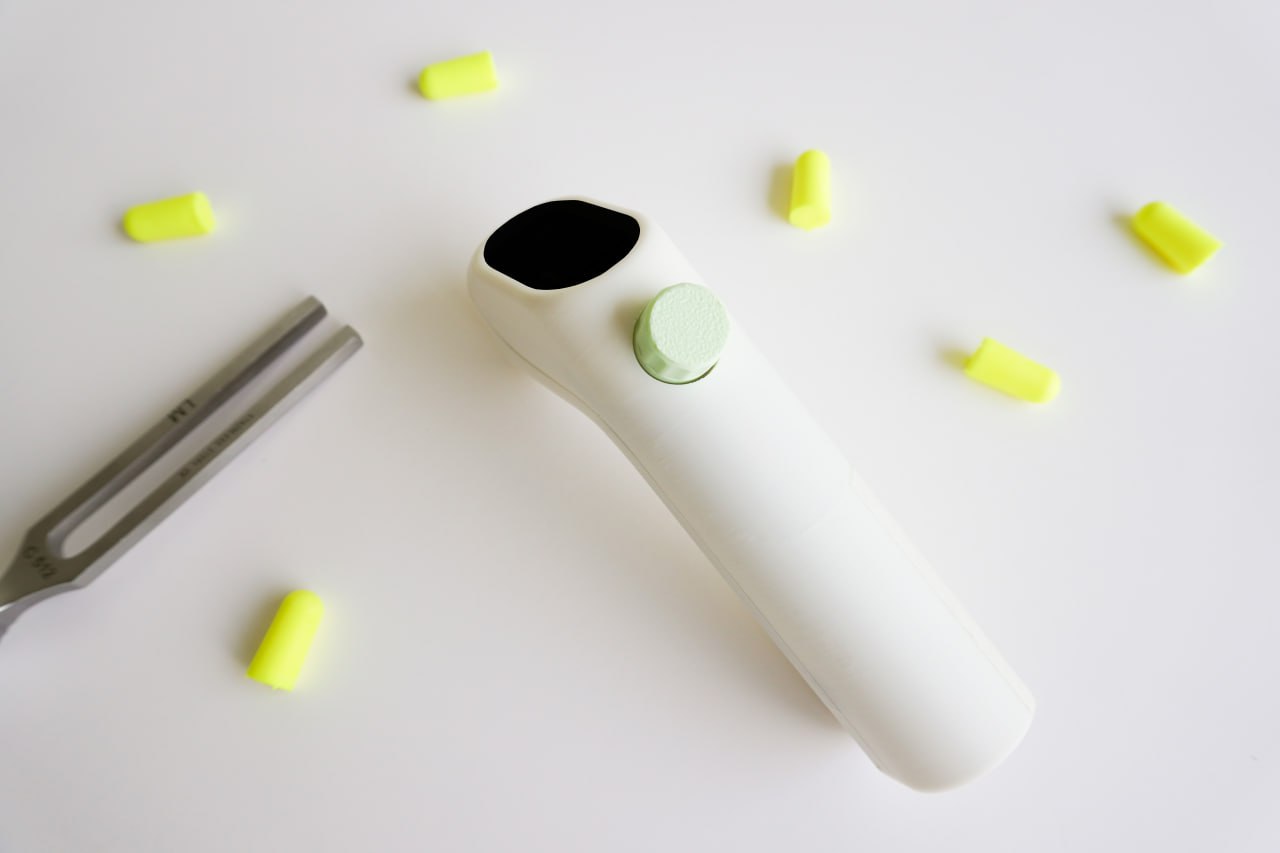
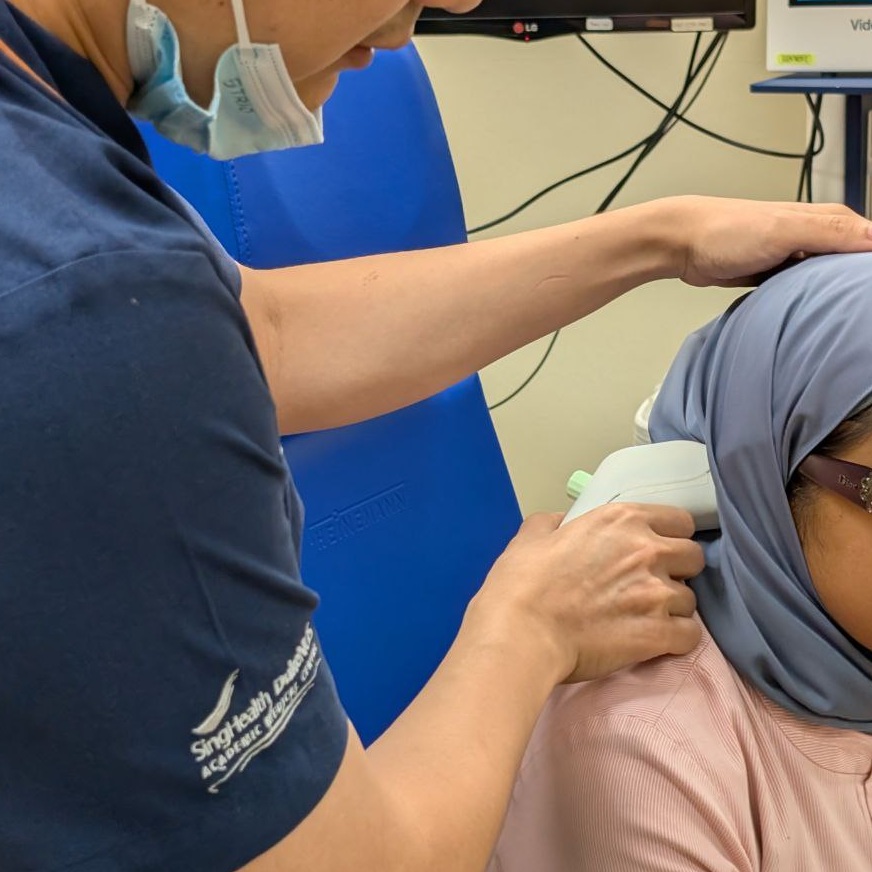
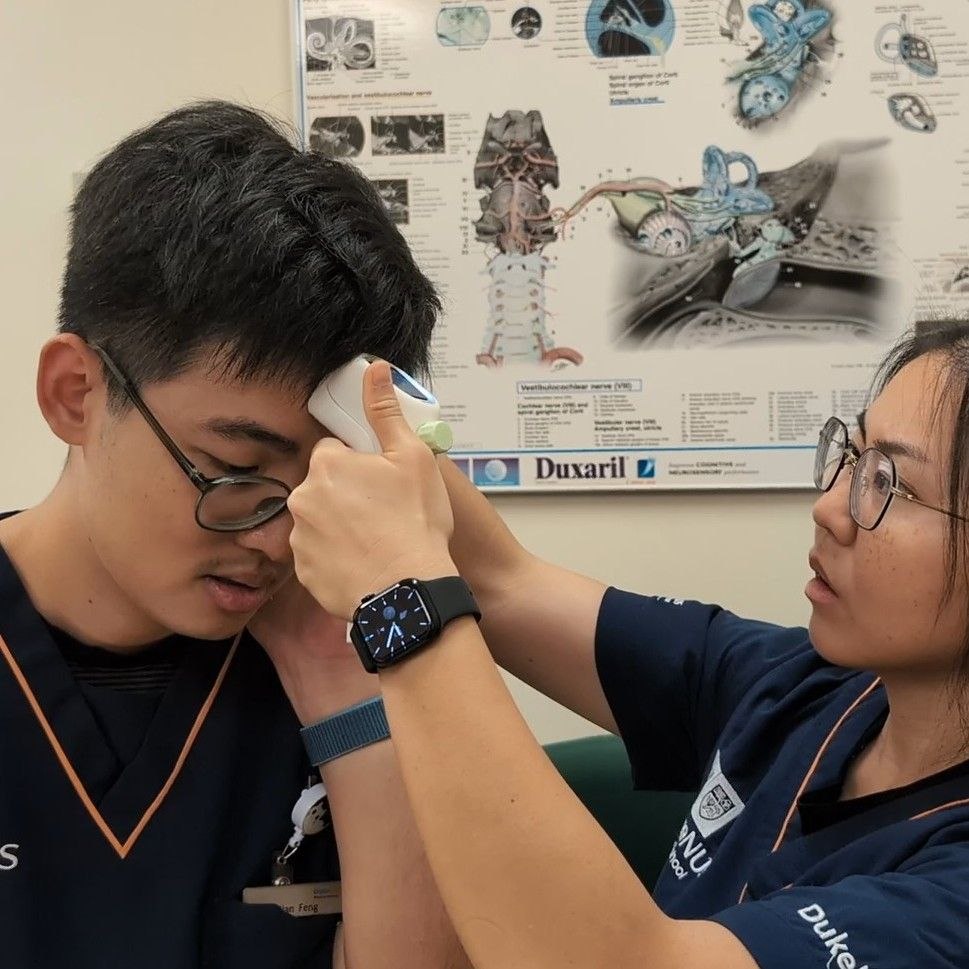
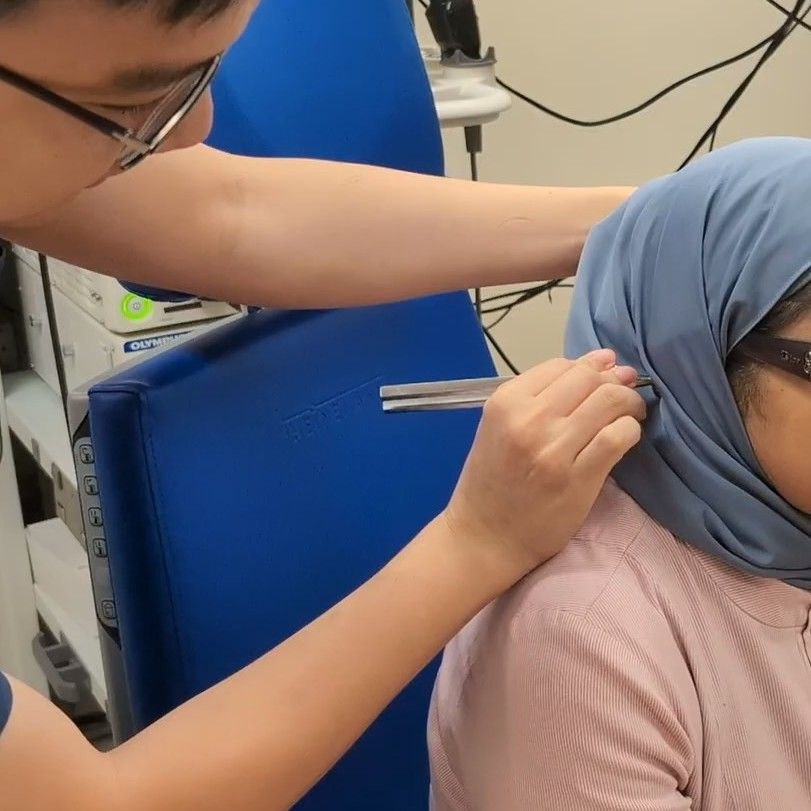
An A/B comparison against a traditional tuning fork was run with both doctors and patients. Resonaid performed better across speed, accuracy, comfort, ease of use, and how clearly the patient understood their result.
It is now in active R&D with a hospital partner. The next phase is clinical validation in a real screening environment, rather than a controlled test.
Lu Enze
Beatrice Lum
Leon Pereira
Dr Ching Chiuan Yen
Design for Medicine
Division of Industrial Design
National University of Singapore