Children get prescribed oral medication regularly, and many of them resist swallowing pills. The usual response from parents, particularly in Asian households, is to crush the pill into food, hide it in something sweet, or otherwise trick the child into taking it.
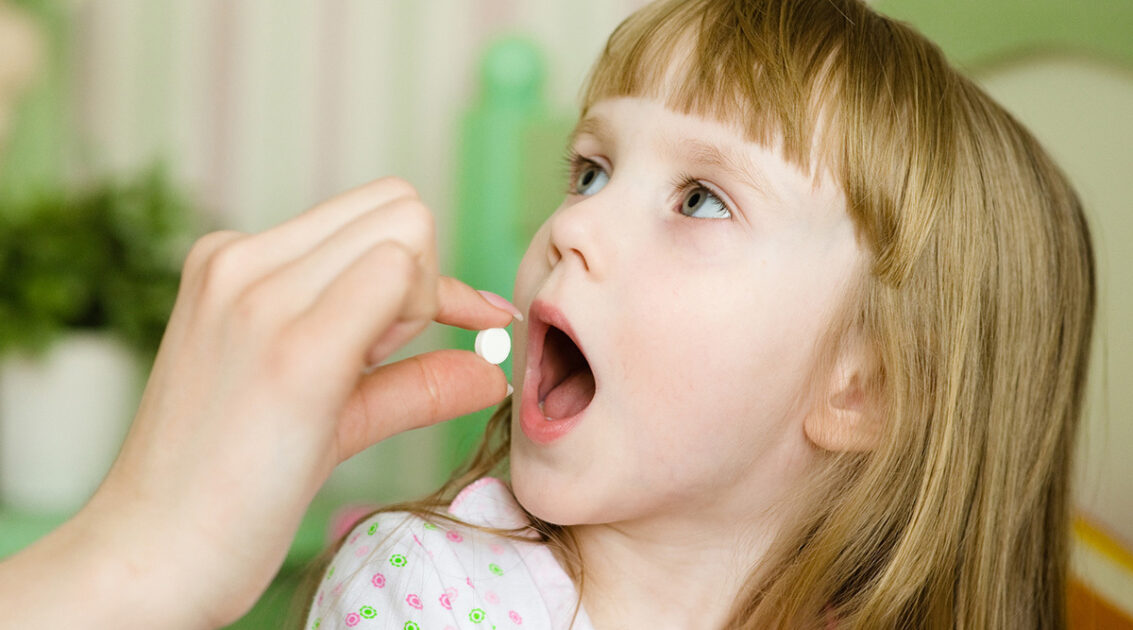
Sweet now, bitter later.
That works for a single moment, but it does not work as a long-term approach to a child's relationship with their own health. Hiding medication in food or making it a point of conflict teaches the child to associate pills with deception or fear. Those associations do not disappear on their own.
.png)
Existing aids solve the wrong half of the problem.
The market has pill swallowing cups, water bottles with special spouts, and coatings that mask bitterness. None of them address why a child resists in the first place. The physical act is not the problem. The fear underneath it is.
We grounded the observation in research.
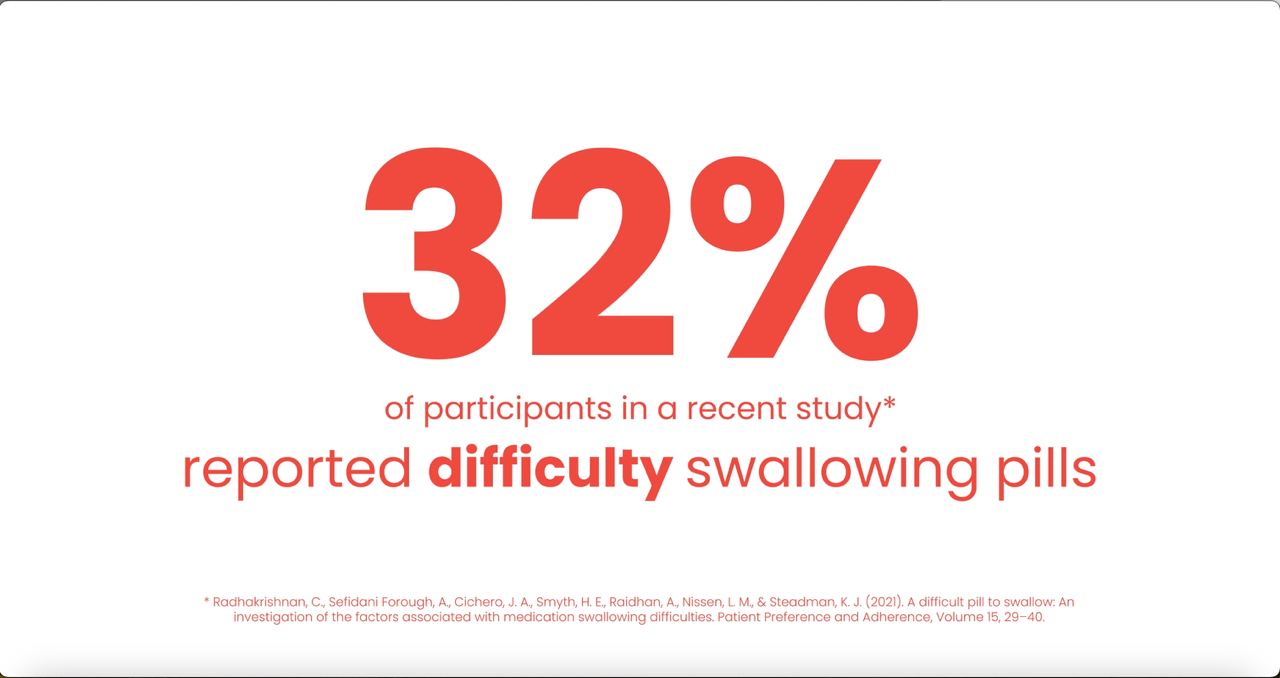
A 2021 study of 152 adults found that 1 in 3 had difficulty swallowing pills. Those who struggled were significantly more likely to carry a childhood memory of choking on medication.
The fear we were designing around was not anecdotal. It starts early, and it follows people into adulthood.
A paediatrician shaped most of what followed.
We spent eleven weeks on this, including a long conversation with a paediatrician who walked us through what she sees in clinic.
Children are usually carrying mental associations about pills before they ever try one. Choking is the most common fear, and it often originates from something the parent said or a moment the child witnessed. Parents are rarely the problem intentionally; they have simply not been given a way to approach it.
The paediatrician recommended beginning around age six, framing the skill as a developmental milestone rather than a task. Storytelling and positive reinforcement, she found, produced better results than instruction alone.
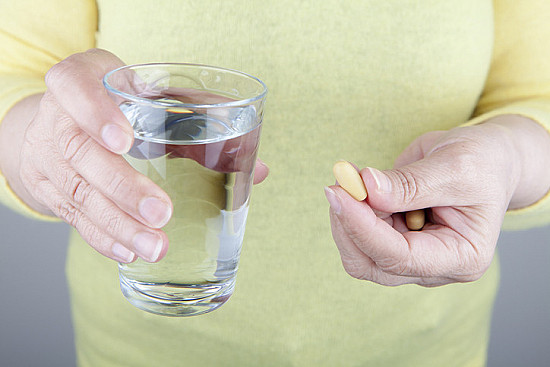
Comfort comes before practice.
Readiness is built in layers. Emotional comfort comes before physical practice.
You cannot design for the child alone.
Children are heavily influenced by parents, so the solution needs to involve both parties.
One box, used together, in order.
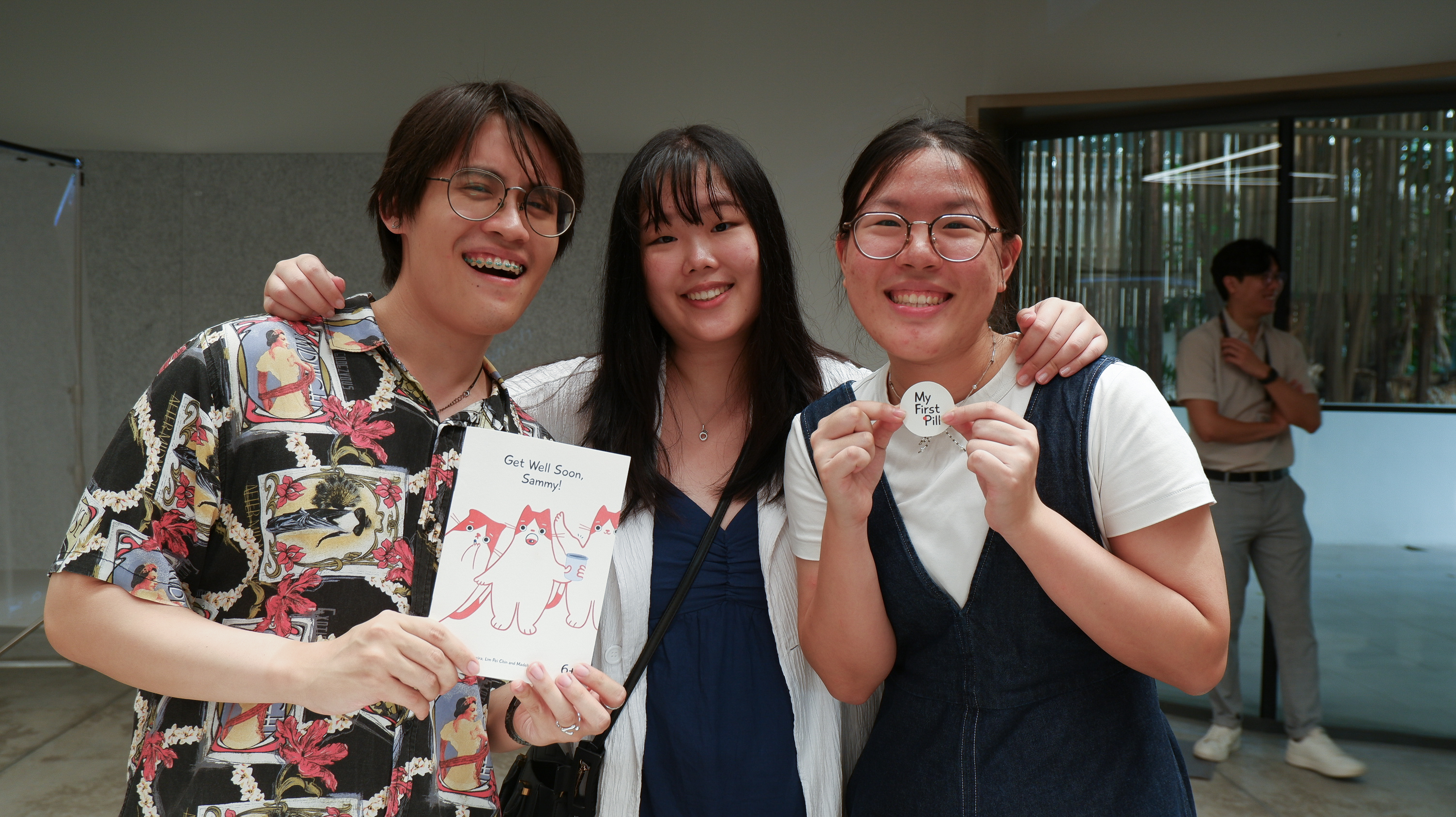
The My First Pill toolkit is a single boxed set designed to be used by a parent and child together across a series of short sessions. It contains a storybook following Sammy the kitten through his first pill, a song, a progress tracker with stamps to mark milestones, a set of placebo pills that increase in size as the child grows more comfortable, supplemental practice pills, and a guide that helps the parent run the sessions without rushing them.
The order of use is deliberate. The story and song come first, so that the idea of pills enters the child's world through a character they care about before any physical practice begins. The placebo pills follow only when the child is ready, and the size increases are paced by them, not by us.
.jpg)
.png)
.jpg)
.png)
.jpg)
.png)
She swallowed her first pill.
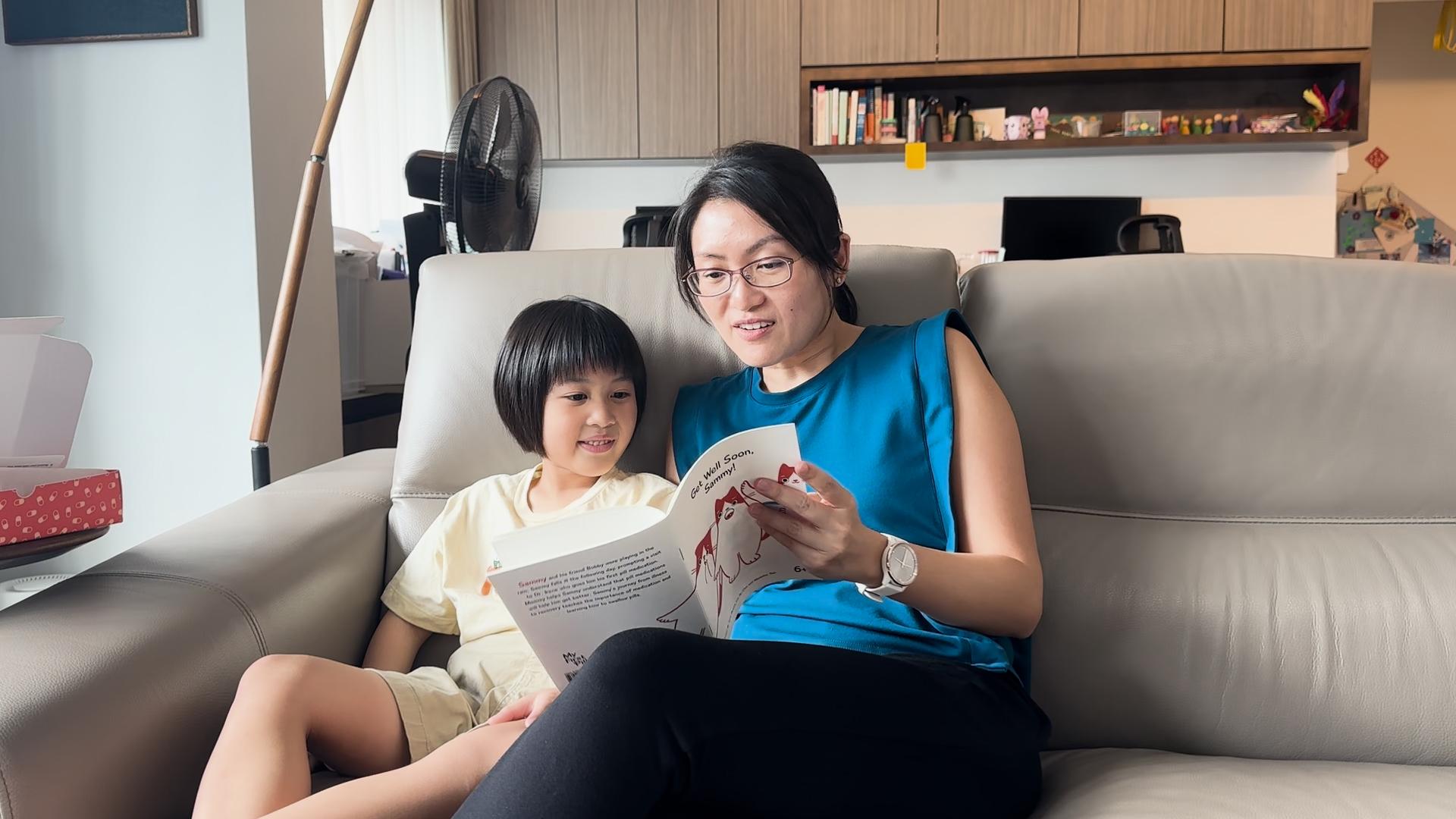
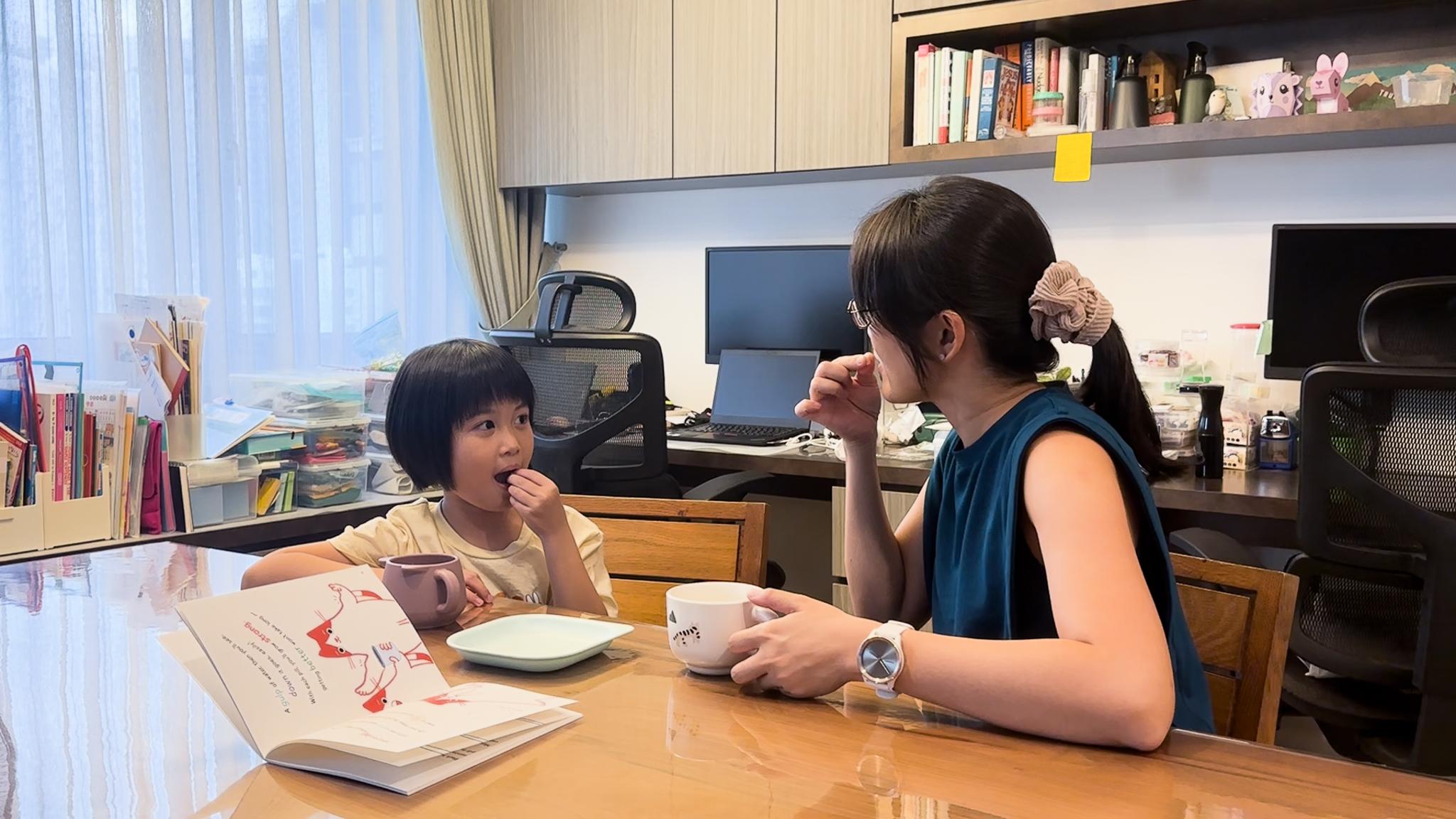
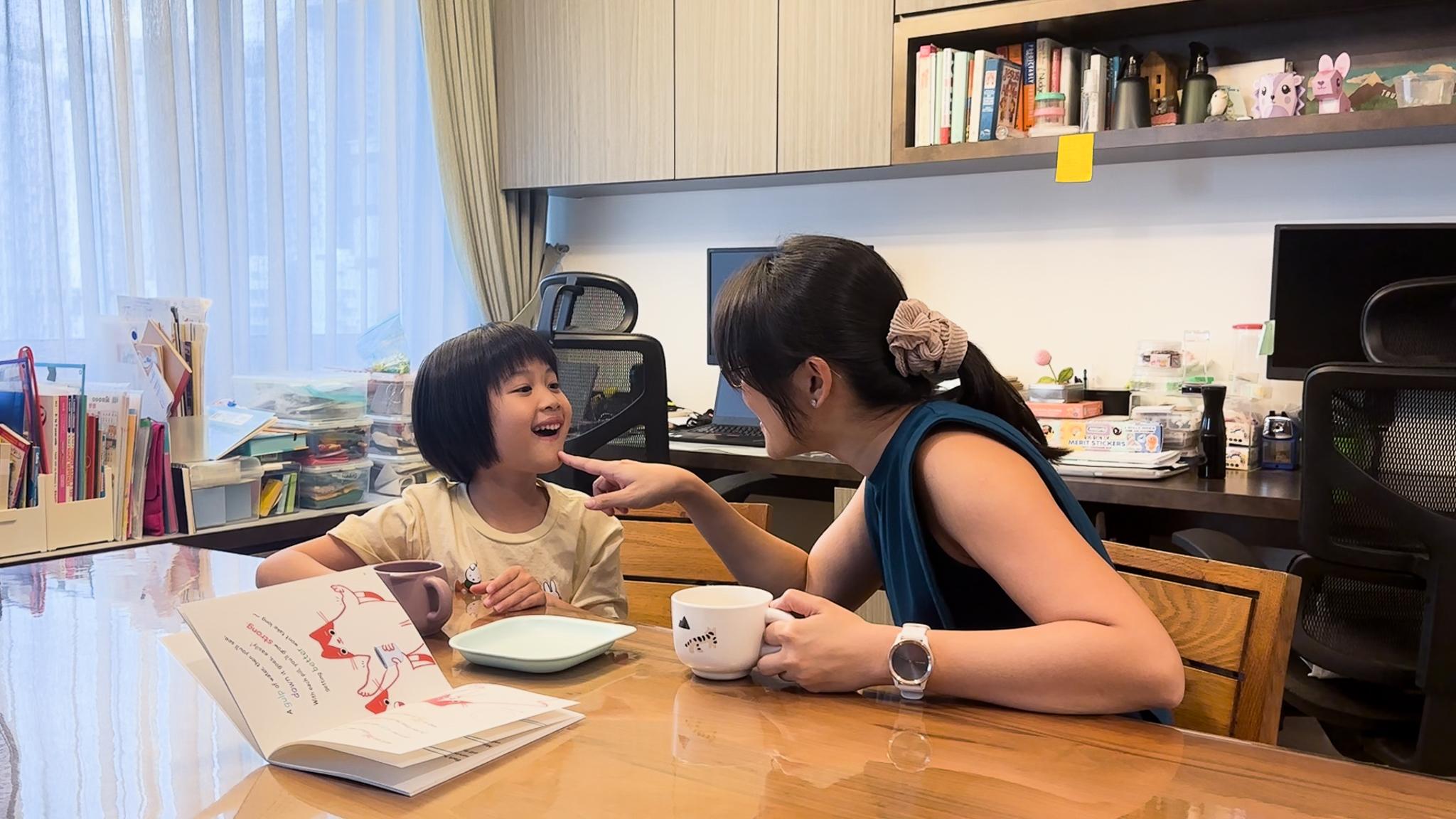
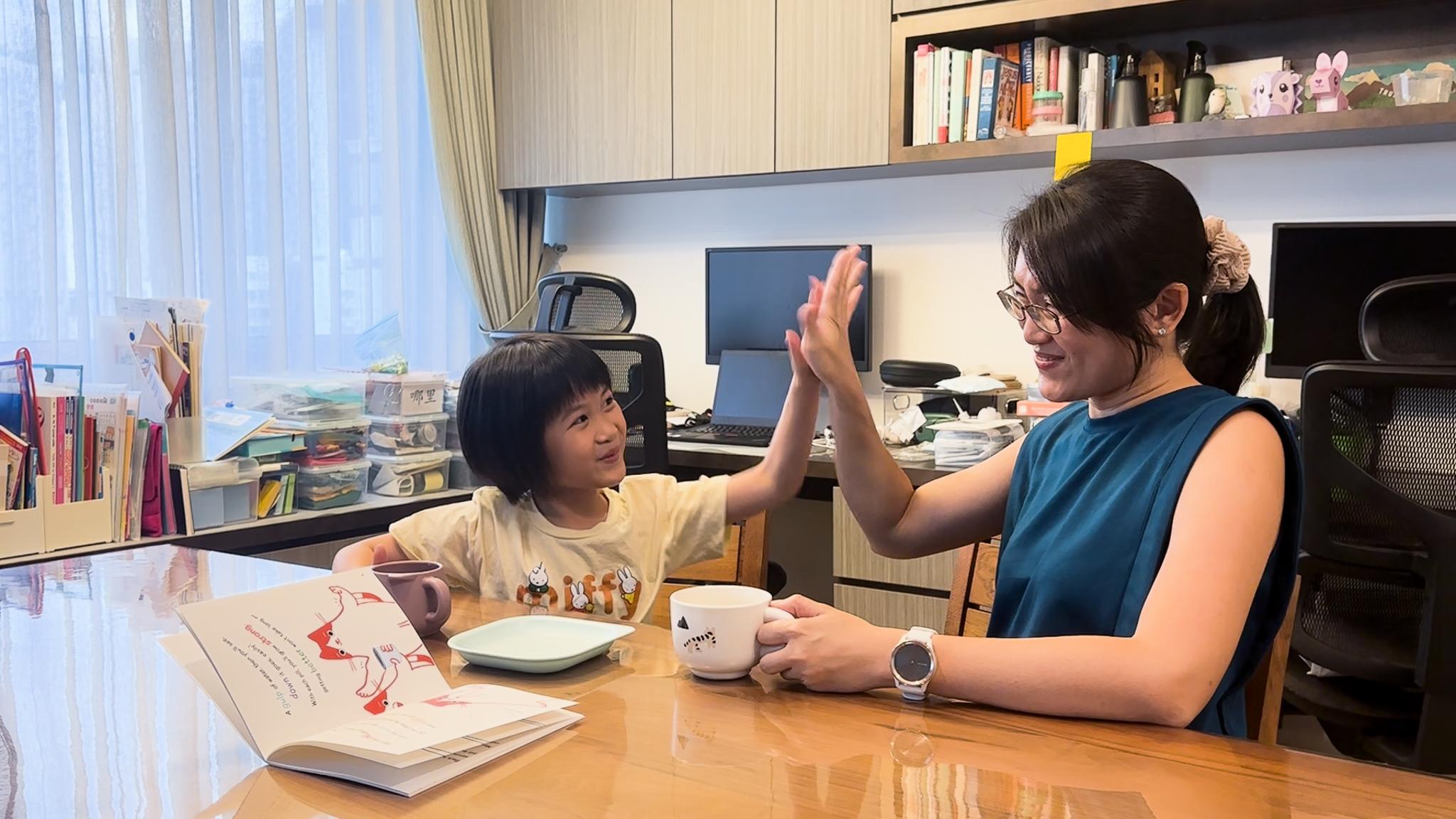
The toolkit was tested with one child who had never swallowed a pill before. After a few weeks of giving the toolkit to the family, she swallowed her first one.
The way she got there mattered more than the result. We did not approach this as a medical intervention but as a learning journey. The fear came down first, which was the whole premise of the project.
Lim Pei Chin
Leon Pereira
Madeline See
Song Kee Hong
Product Innovation
Division of Industrial Design
National University of Singapore
2024